
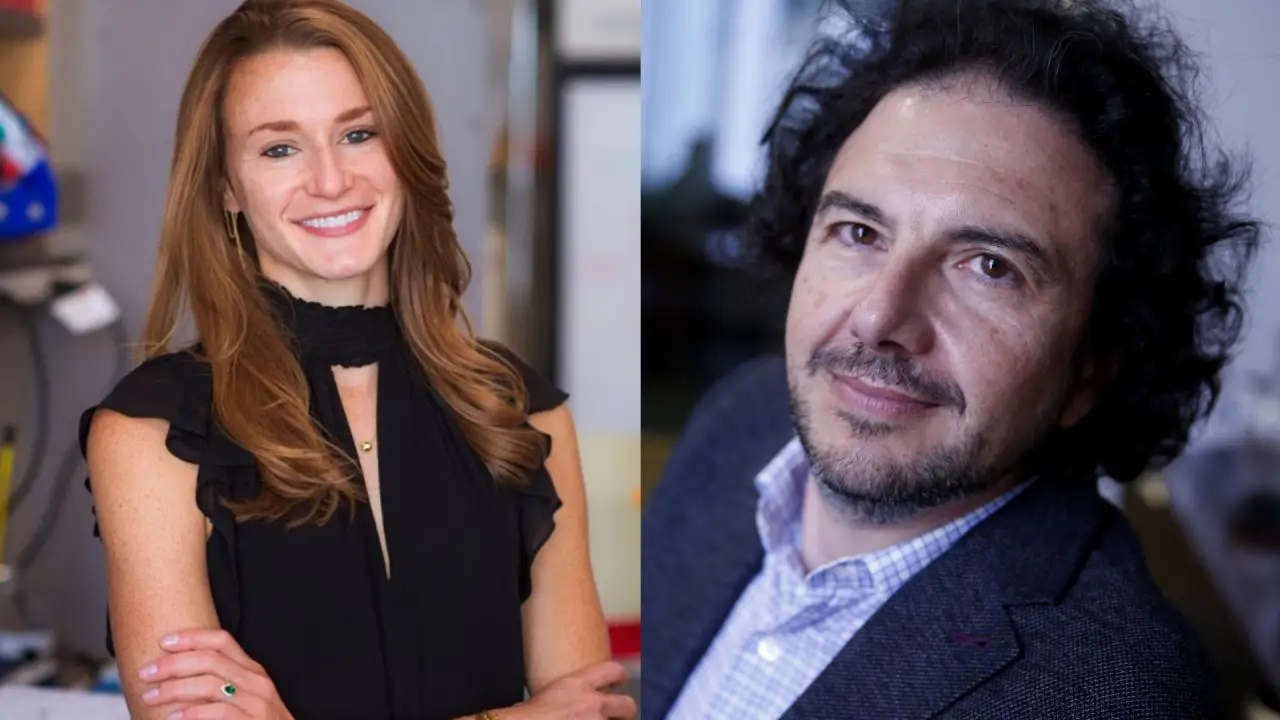
New York: Renowned American biologist David Sabatini, who lost his top positions and professional acknowledgments in the scientific community following allegations of sexual assault, has won a favorable verdict after years of legal battles. A Suffolk County jury in the United States has ordered Sabatini to pay six million dollars (approximately 55 crore rupees) in damages in the legal dispute with former colleague Christine Nause.
During the trial, private messages of the woman and revelations about the nature of their relationship sparked major controversy. Sabatini, a leading researcher at the Massachusetts Institute of Technology (MIT), was once regarded as one of the most promising biologists in the world. His research on the mechanisms controlling cell growth and metabolic functions had gained international attention.
He was even considered a potential Nobel Prize contender. However, allegations of sexual harassment and workplace misconduct raised by former colleague Christine Nause completely altered his personal and professional life. Investigations and legal proceedings following the allegations resulted in the loss of key academic positions and several job opportunities for him.
Certain private text messages allegedly sent by Nause and presented in court became the focus of new controversies. According to reports, one message allegedly from Nause stated, ‘I want to feel like I was gang-raped when I wake up tomorrow morning.’ During recorded video testimony, Sabatini’s lawyer, Lisa Arwood, read these messages aloud and sought explanations from Nause. The nature of the personal relationship and their sexual preferences were primary subjects during questioning.
According to the report, although Nause initially did not give clear answers to some questions, she later admitted to having an interest in rough sexual relationships. However, it is notable that private messages or sexual preferences alone do not constitute proof of consent to a specific sexual relationship. These messages were discussed in court in the context of the allegations and counter-allegations.
Sabatini and Nause’s personal relationship began in 2018 and reportedly lasted about a year. Sabatini maintained that their involvement was consensual. However, he alleged that Nause desired a more serious and long-term commitment, which he was unwilling to provide, leading to later disputes. Meanwhile, Nause denied these claims.
She pointed out that Sabatini was her senior colleague with influence over her professional advancement. Due to this power dynamic, she argued that withdrawing from the personal relationship was not easy. She also alleged that Sabatini created a hostile work environment conducive to sexual harassment. The disputes that began as a personal relationship eventually escalated to institutional investigations and finally legal battles.
Following the allegations, the Whitehead Institute, where Sabatini was employed, launched an independent inquiry. The investigation found that he had violated the institution’s workplace conduct policies, including those related to sexual harassment. These findings dealt a severe blow to Sabatini’s professional career.
In 2021, he resigned from his position at the Whitehead Institute and later relinquished his long-held professorship at MIT. The incidents reversed the professional recognition he had earned over years, and many collaborations and consulting opportunities ended. In 2022, even though there was a strong possibility of a new appointment at New York University, the move was abandoned after protests from students, faculty, and alumni.
As a result, the career of the scientist who had worked at globally reputed research institutions entered a state of grave uncertainty. Sabatini stated in court that the allegations and continuing professional setbacks had severely impacted his personal life. According to a Boston Globe report, testimonies presented during legal proceedings revealed that Sabatini had endured severe depression and had attempted suicide. He explained that losing years of research work, professional connections, and social recognition caused tremendous psychological trauma.
In an interview following the court ruling, he spoke about the losses he had suffered in life. “I have lost everything. Nothing remains of the life I once knew,” he said.
On October 16, 2026, the critical jury verdict in Sabatini’s favor was announced. The Suffolk County jury ruled in favor of Sabatini concerning defamation claims and interference with his existing and potential professional relationships, and ordered Nause to pay six million dollars in damages. Meanwhile, the jury rejected Nause’s counterclaims of sexual harassment and retaliation against Sabatini.
However, the verdict does not automatically nullify all findings from the earlier Whitehead Institute investigation. The institutional inquiry and the later civil litigation followed different procedures and legal standards. This case has reopened discussions about sexual harassment complaints, workplace power relationships, personal ties, and institutional responses in the American academic environment.
On one hand, concerns remain about the pressures faced by junior employees involved with senior officials in positions of power. On the other hand, questions arise about how deeply allegations and subsequent actions can affect a person’s career and social standing. Although this favorable jury verdict represents a significant legal victory for Sabatini after years of controversy, it remains unclear if he will regain his lost academic positions and research opportunities.
n
Original Malayalam report: Malayalam Daily News